History
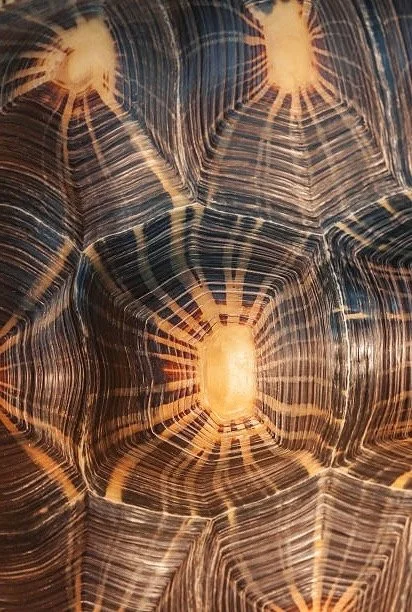
Tortoiseshell eyewear occupies a singular place in the history of personal adornment—an intersection of artistry, rarity, and refinement that few materials have ever achieved. Prized as early as the 18th century, genuine tortoiseshell, derived primarily from the Hawksbill sea turtle, was reserved for the most discerning clientele, its warm, mottled translucence impossible to replicate by any other natural or man-made medium. Master artisans would meticulously heat, press, and hand-shape each piece, exploiting its remarkable thermoplastic properties to create frames that were not only visually captivating, but exceptionally lightweight and comfortable. Throughout the 19th and early 20th centuries, tortoiseshell spectacles and sunglasses became symbols of cultivated taste—worn by aristocrats, intellectuals, and tastemakers who understood the quiet power of true craftsmanship. Each frame carried a unique pattern, a one-of-one composition of honeyed ambers, deep browns, and rare blonde hues, ensuring that no two were ever alike. As modern manufacturing shifted toward mass production and synthetic substitutes, the art of working with genuine tortoiseshell gradually faded, rendering surviving pieces all the more extraordinary. Today, authentic tortoiseshell eyewear stands not merely as a functional object, but as a preserved fragment of history—an heirloom of elegance, embodying a level of artisanal mastery and natural beauty that the contemporary world can only aspire to emulate.